
Return
A heart transplant is not a recovery. Recovery implies a baseline to return to, and there isn’t one. The years of decline didn’t pause while the surgery happened—they accumulated, and what they accumulated was loss.
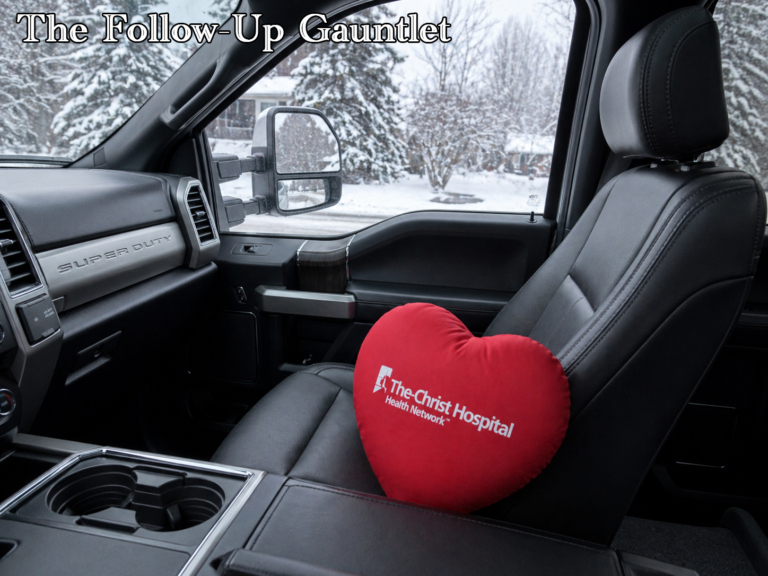
First post-discharge biopsy, and I needed a ride. Mom was sick and knew better than to come near me. Teresa was at Children’s, where my youngest had woken up with what turned out to be appendicitis. Two procedures, two hospitals, one morning, opposite ends of the city.
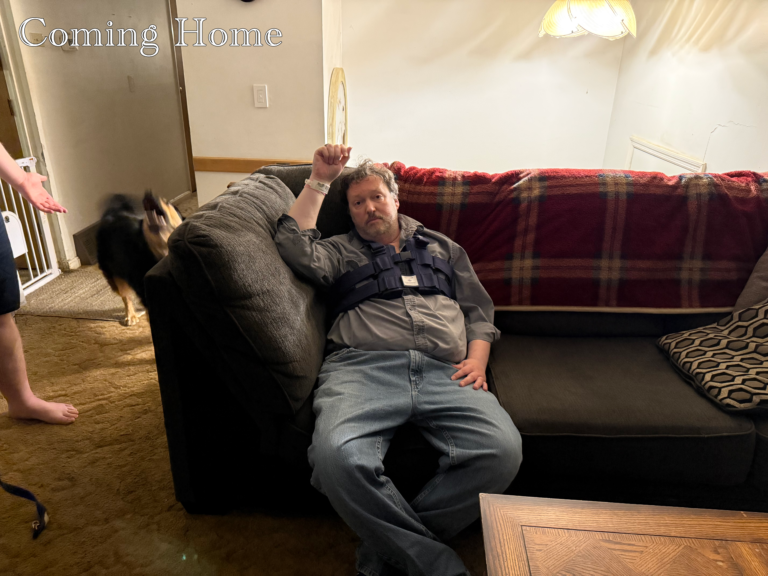
Nine days post-transplant. Sixty days in the hospital. Then discharge papers, the last lines pulled, and a car pulling away from the building with me inside. The house is a bilevel—steps up from the driveway. Under normal circumstances, unremarkable.
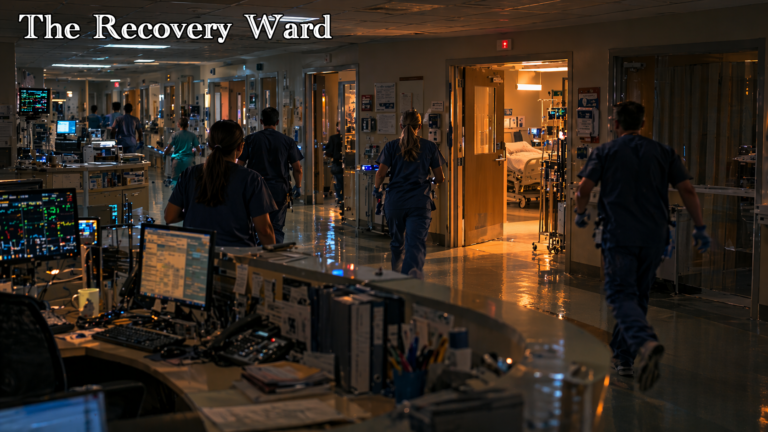
Five days post-transplant, the A-line out, the recovery ICU finally behind me. Up and walking twice daily. No raising your hands above your head—the sternum has been opened and wired back together and it needs time. The people on this ward were closer to leaving. Not all of them would.
More blood moving, more oxygen reaching places that had been running on fumes for years. I hadn’t known how far gone I was until the contrast arrived. Then, lying in the ICU with nothing to do but think, the questions started accumulating.
The morning after surgery I woke up in terror. Not the disoriented kind—I knew exactly where I was, knew the heart was in, knew everything had gone by the book. My intellect was fully online. And I was terrified anyway.
The nurse came through the door differently. Ten-fifteen on a Thursday evening, the ward settled into its overnight quiet. Sam came in holding a phone, and the way she was moving told you something before she handed it over.
Tom Petty had it right, though not for the reasons most people assume. It isn’t patience—patience is something you can summon. The runway is short, the lift-off isn’t yours to control, and somewhere out there is a stranger whose story you will never fully know.
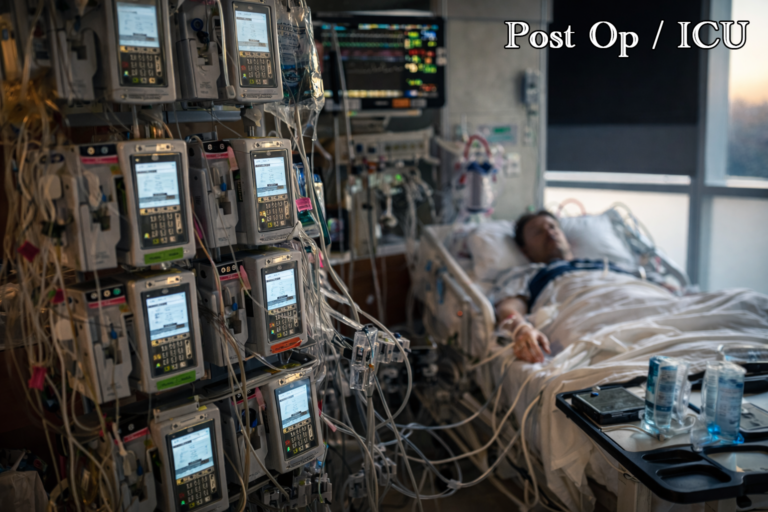
Lines in, lines out. The Impella running its quiet rhythm. The monitor glowing green behind my head. That’s what a support system looks like from the inside—not dramatic, not cinematic. It looks like logistics. It looks like someone already moving before you’ve asked them to.